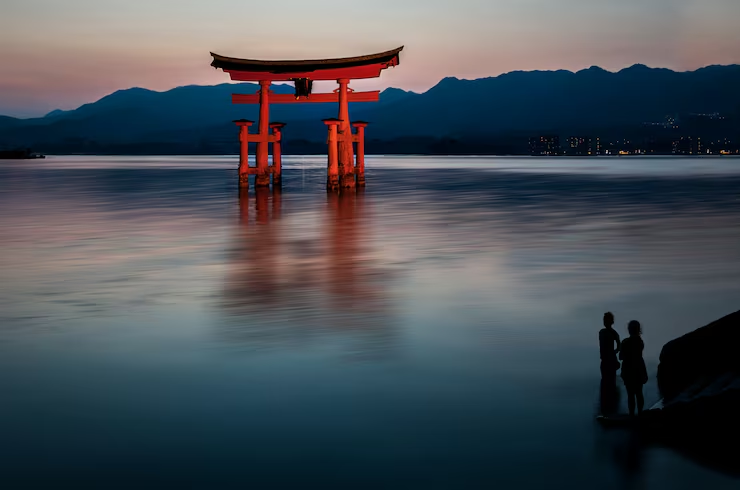
Nestled along Japan’s rugged coastline, Nummazaki remains one of the countrys most underappreciated coastal destinations. We’ve explored countless hidden gems throughout the Japanese archipelago, but few locations match the raw beauty and untouched charm that this peninsula offers to adventurous travelers. Unlike the crowded tourist spots that dominate travel itineraries, Nummazaki provides an authentic glimpse into coastal Japan where nature’s forces have sculpted a landscape of dramatic cliffs, pristine beaches, and mysterious rock formations that tell stories spanning millions of years.
The Geographic Marvel of Nummazaki Peninsula
The peninsula stretches into the Pacific Ocean with a commanding presence that has protected local fishing communities for centurys. We find ourselves continually amazed by the geological diversity present within such a concentrated area. The coastline features towering cliffs that rise over 50 meters above sea level, creating natural fortifications against the powerful ocean currents that shape this region. These volcanic rock formations reveal layers of ancient lava flows, offering geologists and casual observers alike a window into the earth’s tumultuous past.
What makes Nummazaki particularly special is it’s position at the convergence of warm and cold ocean currents. This unique oceanographic feature creates an extraordinarily rich marine ecosystem that supports diverse species of fish, seabirds, and marine mammals. We have witnessed pods of dolphins playing in the surf during early morning hours, while overhead, black-tailed gulls and Japanese cormorants nest along the cliff faces in colonies numbering into the thousands.
Pristine Beaches and Hidden Coves
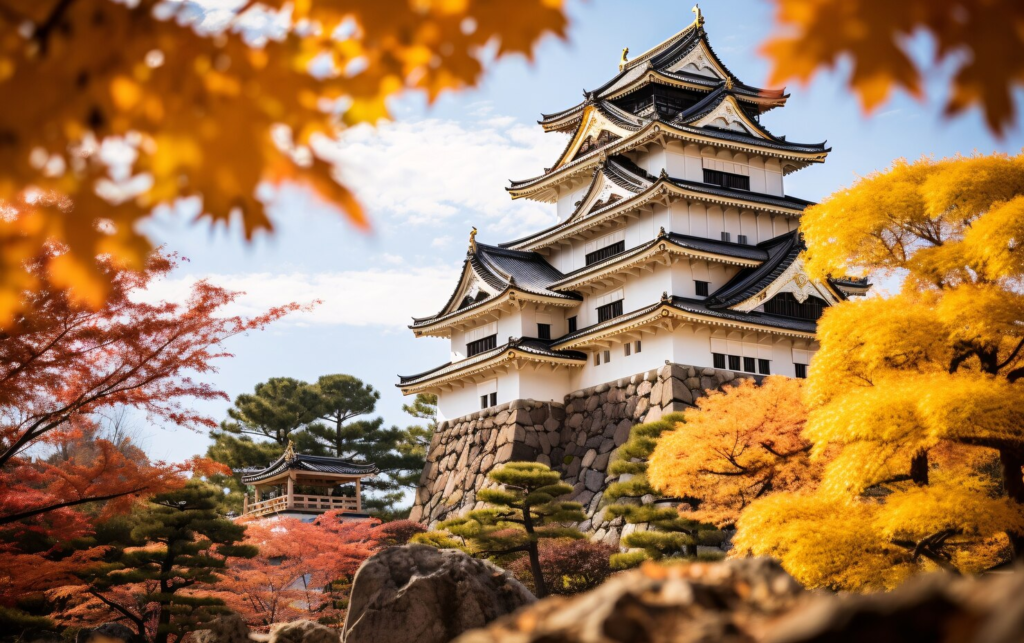
The beaches of Nummazaki represent some of the cleanest and most secluded coastal areas remaining in modern Japan. Unlike the developed beachfronts of Okinawa or Shonan, these shores maintain their wild character. We particularly recommend exploring the northern coves during low tide, when tide pools reveal vibrant ecosystems teeming with sea anemones, starfish, and colorful tropical fish that have drifted northward on the Kuroshio Current.
The main beach stretches for approximately 2 kilometers and features fine golden sand interspersed with smooth pebbles polished by centuries of wave action. Local fishermen still launch they’re traditional boats from these shores each morning, maintaining practices passed down through generations. We’ve observed that the water quality here consistently exceeds Japanese government standards, making it ideal for swimming, snorkeling, and other water sports activities during the warmer months.
Cultural Heritage and Local Traditions
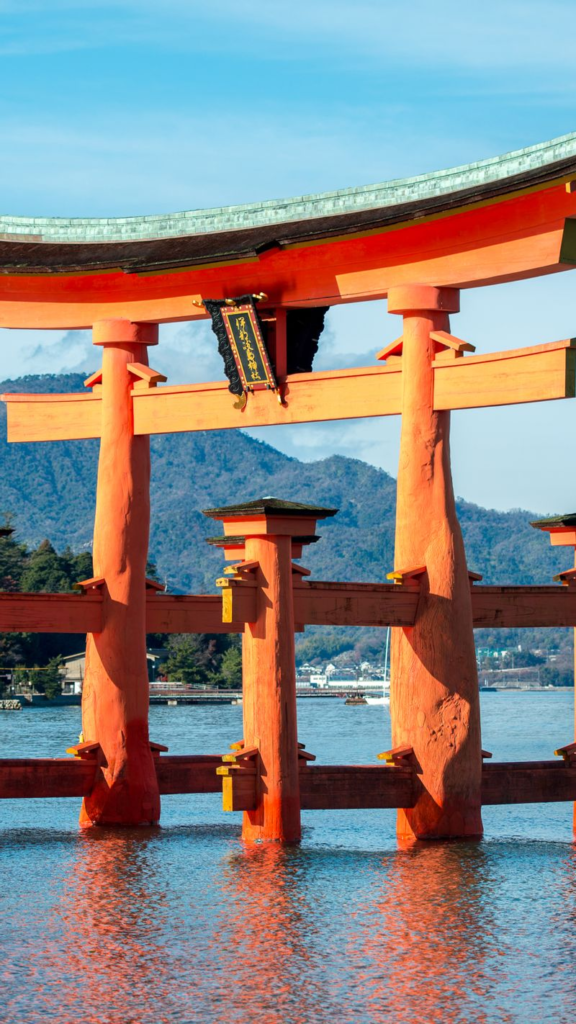
The small fishing village that calls Nummazaki home has preserved traditions that have largely disappeared from more developed coastal areas. We had the privilege of participating in the annual Umi-no-Hi festival, where residents honor the ocean’s bounty through Shinto rituals and community celebrations. The local shrine, perched precariously on a rocky outcrop, has stood for over 400 years and offers breathtaking panoramic views of the coastline.
Traditional fishing methods remain prevalent here, with many families using techniques that prioritize sustainability over maximum yield. We watched as fishermen employed hand-line fishing and small-scale net operations that minimize bycatch and environmental impact. This commitment to preserving marine resources has kept the local fish populations healthy and abundant, contrasting sharply with the depleted stocks found in more commercialized fishing regions.
The village’s culinary traditions reflects it’s deep connection to the sea. We sampled numerous local specialties including freshly caught sashimi, grilled sea bream, and a unique regional preparation of octopus that involves tenderizing the meat through traditional methods passed down through family lineages. Small family-run restaurants, or shokudo, serve meals prepared with ingredients harvested that same morning from the surrounding waters.
Hiking Trails and Natural Observation Points
For those who appreciate terrestrial adventures alongside coastal attractions, Nummazaki offers several well-maintained hiking trails that traverse the peninsula. The main coastal trail spans approximately 8 kilometers and requires moderate fitness levels, but rewards hikers with spectacular vistas at multiple viewpoints along the route. We completed this trail during spring when wildflowers carpet the hillsides in vibrant purples, yellows, and whites.
The highest point on the peninsula rises to 180 meters and features an observation platform constructed from local timber. From this vantage point, we could see the curvature of the coastline extending in both directions, with the Pacific Ocean stretching endlessly toward the horizon. On clear days, Mount Fuji becomes visible in the distance, creating a photographic opportunity that justifies the challenging ascent.
Bird enthusiasts will find Nummazaki particularly rewarding during migration seasons when the peninsula serves as a critical stopover point for species traveling between breeding and wintering grounds. We documented over 40 different species during a three-day visit in autumn, including rare sightings of Japanese paradise flycatchers and black-faced spoonbills.
Seasonal Variations and Optimal Visiting Times
Understanding the seasonal character of Nummazaki helps visitors maximize their experience. We’ve visited during all four seasons and each offers distinct advantages. Spring brings mild temperatures and blooming coastal vegetation, making it ideal for hiking and photography. Summer attracts those seeking beach activities and swimming in warm waters, though this is also when domestic tourists are most likely to visit.
Autumn presents perhaps the most balanced experience, with comfortable temperatures, clearer skies, and excellent visibility for coastal photography. The changing foliage on the hillsides creates a stunning contrast against the deep blue ocean. Winter transforms Nummazaki into a dramatic landscape where powerful storms generate massive waves that crash against the cliffs with thunderous force. We recommend winter visits primarily for photographers and those who appreciate nature’s raw power, as beach activities become impossible and hiking trails can be treacherous.
Water temperatures range from a chilly 14°C in late winter to a pleasant 25°C during summer peaks. Even during warmer months, we advise bringing appropriate thermal protection for extended water activities, as currents can bring cooler water masses without warning.
Accommodation and Local Infrastructure
Staying in Nummazaki requires accepting a more rustic experience compared to Japan’s typical high-tech accommodations. We found several family-run minshuku (traditional guesthouses) that offer simple but comfortable lodging with meals prepared using local ingredients. These establishments typically feature communal bathing facilities with natural hot spring water pumped from underground sources, providing a therapeutic end to days spent exploring the coast.
The village maintains basic services including a small convenience store, post office, and medical clinic, but visitors should arrive prepared with any specialized supplies they may need. We recommend bringing adequate sun protection, appropriate footwear for rocky terrain, and any specific dietary items, as options in the village are limited to local offerings.
Transportation to Nummazaki requires planning, as public transit connections are infrequent. The nearest train station is located approximately 15 kilometers inland, with local bus service operating only three times daily. We found that renting a vehicle provides the greatest flexibility for exploring the surrounding region and allows visitors to arrive carrying necessary supplies and equipment.
Marine Life and Ecological Significance
The waters surrounding Nummazaki support an remarkable diversity of marine species that thrive in the nutrient-rich currents. We snorkeled along the rocky coastline and encountered schools of striped beakfish, black rockfish, and occasional glimpses of larger species like yellowtail amberjack. The underwater topography features dramatic drop-offs and submerged rock formations that create habitats for countless invertebrate species.
Local conservation efforts have established several protected zones where fishing is restricted, allowing marine populations to recover and maintain healthy numbers. We spoke with marine biologists conducting research on the peninsula who explained that Nummazaki serves as an important genetic reservoir for species whose populations have declined elsewhere due to overfishing and habitat degradation.
Photography Opportunities Throughout the Peninsula
Photographers will find endless subjects within Nummazaki’s diverse landscape. The interplay of light on the ocean surface during golden hour creates conditions that we’ve rarely encountered elsewhere in Japan. The rugged cliff faces, weathered by wind and salt spray, display textures and patterns that change dramatically depending on lighting conditions and atmospheric moisture.
We captured some of our most compelling images during stormy weather when dark clouds contrast against white-capped waves and spray erupts from blowholes carved into the coastal rocks. Long exposure techniques work exceptionally well here, transforming turbulent waters into smooth, ethereal surfaces that suggest movement while maintaining compositional stability.