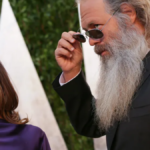
Few figures in the world of antiques and British television has managed to stir as much genuine curiosity as Adrian “Adi” Higham. From the rolling marshes of East Sussex to the sunlit brocante markets of rural France, this man has quietly built a wealth that most people in his trade would envy deeply. The question of Adrian Higham net worth has become a topic that fans, collectors, and casual television watchers return to again and again, yet the real answer sits somewhere between what the numbers say and what decades of patient, disciplined dealership actually feels like from the inside.
We spent time studying every credible public estimate, cross-referencing his known income streams, and placing his career arc in the broader context of the British antiques trade, and what emerged is a portrait that is far more layered than any single headline can capture.
Who Is Adrian Higham? A Life Shaped by Instinct and Old Things
Adrian Higham, widely known by his nickname Adi, was born around 1967 in the United Kingdom. He didn’t come from a family of art curators or wealthy collectors. His entry into the world of antiques was almost accidental, the kind of story that starts at a village auction with nothing more than a keen eye and a modest amount of pocket money. At around 21 years old, he bought a mountain bicycle for just £10 at a local sale and flipped it for £90 through a newspaper classified ad. That single transaction planted something in him that never quite left.
What followed was decades of immersion. He developed a rare specialty in French brocante, a term that refers to decorative vintage pieces sourced from French markets, farmhouses, and countryside clearances. He traveled regularly across the channel to source stock, learning to read the provenance and emotional weight behind old objects the way a skilled reader absorbs a good novel. That combination of genuine curiosity and commercial instinct eventually made him one of the more respected figures in a trade that rewards patience far more than speed.
His personality outside of business matters too. Adrian carries a warmth and directness that people respond to immediately. He laughs easily, talks with evident enthusiasm about everything from galvanized iron pieces to early motorbikes, and treats both buyers and sellers with a generosity of spirit that isn’t common in every corner of the antiques world. These qualities didn’t just make him likable. They made him hirable for television.
Hoof Brocante: The Business That Built the Foundation
Long before the BBC cameras arrived, Adrian had already established Hoof Brocante, a sprawling and distinctive antiques business located on a former airfield on the border of East Sussex and Kent, near Romney Marsh. The site itself is atmospheric, the kind of place where old aircraft hangars now house French country furniture, decorative metalwork, painted signs, and one-off pieces that defy easy categorization.
The business grew steadily over more than thirty years. Adrian and his partner Tara Franklin, who is both his wife and a fellow antiques professional with expertise in textiles, run the operation with a hands-on ethic. They source directly, they restore thoughtfully, and they sell through multiple channels including the physical shop, online platforms, and vintage and antiques trade fairs that attract serious buyers from across the country.
What Hoof Brocante represents in financial terms isn’t just a retail operation. High-quality vintage and antiques stock appreciates over time when cared for properly. This means Adrian’s inventory itself functions somewhat like a slow-growth asset portfolio, with individual pieces sometimes holding or gaining value for years before being sold. Industry observers who follow the British antiques and collectibles market closely note that specialist dealers with established reputations can command premium prices that generalist sellers simply cannot reach.
The Bidding Room and the Television Multiplier Effect
Adrian joined the cast of The Bidding Room when the BBC One daytime series launched in 2020. Hosted by actor Nigel Havers, the show invites members of the public to bring in their treasured possessions, which a panel of expert dealers then bids on competitively. Adrian’s bidding style became one of the program’s defining features. His deep knowledge of vintage signs, mechanical toys, and French farmhouse pieces allowed him to move fast and convincingly on categories where other dealers hesitated.
According to public reporting, experienced television antiques experts on similar BBC productions typically earn somewhere between £20,000 and £40,000 per series in appearance fees. These numbers aren’t enormous in isolation, but their real value for a dealer like Adrian lies in the exposure they generate. After the show aired, interest in his private stock reportedly increased substantially, allowing him to command prices that reflected not just the objects themselves but the credibility of the person selling them.
This is what industry insiders sometimes calls the “television multiplier.” The camera time doesn’t just add a salary. It builds a brand, and a brand in the antiques trade translates directly into buyer confidence, higher realized prices, and access to collectors who would never otherwise find you.
Adrian appeared across multiple series before taking a step back, partly due to health challenges and partly due to personal circumstances that we discuss in a later section. His IMDb credits document appearances across roughly 40 episodes between 2020 and 2025, which represents meaningful screen time in any context.
Adrian Higham Net Worth: What the Estimates Actually Tell Us
The honest answer to what Adrian Higham net worth amounts to is that no confirmed figure exists in the public domain. Adrian has never filed a public wealth statement, and Hoof Brocante’s financial accounts, like those of most private limited companies of its size, do not reveal the full picture of personal assets.
What credible estimates agree on is a broad range. Multiple sources familiar with his career place the figure somewhere between £1 million and £2.5 million, with the most thoughtful analyses converging around £1.5 million to £2 million as a reasonable midpoint estimate for 2026. Some more speculative sources push the figure higher, occasionally citing numbers above £3 million, but these tend not to offer accounting methodologies that hold up to scrutiny.
The likely composition of that wealth looks something like this:
- Business assets and inventory: The physical stock of Hoof Brocante, some of which has been held for years and appreciated in value, likely represents a significant portion of the total.
- Property: Adrian is understood to own real estate in East Sussex, and property in that part of England has tracked strongly over the past two decades.
- Television income: Accumulated over five or more years of BBC appearances, appearance fees and any associated work likely contributed several hundred thousand pounds over the run.
- Direct sales and restoration commissions: Decades of active trading, market sales, and commissioned restoration work adds another steady layer.
- Digital and brand-associated income: Social media presence, possible affiliate arrangements with antiques platforms, and the residual commercial value of his public profile round out the picture.
This is not the financial profile of someone who became rich overnight. It is the arithmetic of a craftsperson who stayed in their field for thirty years without losing focus or discipline, and whose television moment amplified what was already a solid foundation.
Personal Life, Loss, and the Resilience Behind the Work
Adrian’s life has not been without serious difficulty. He lost his first wife some years ago, a loss that by all accounts affected him profoundly. Those who know him suggest that this experience deepened his appreciation for the slower, more meaningful work of restoring and caring for old objects, things that carry memory and survive time.
He later found companionship and professional partnership with Tara Franklin, who shares both his home and his professional life at Hoof Brocante. Tara’s expertise in vintage textiles complements Adrian’s strengths in decorative metalwork and continental furniture, making them a well-matched pair in both personal and commercial terms.
In recent years, Adrian has also spoken about physical health challenges, including a back injury that affected his ability to lift and move the kind of heavy stock that characterizes his trade. There were also reported legal difficulties with neighbors that brought unwanted stress and public attention, circumstances that he navigated without retreating from the business he had built over decades.
Understanding these human dimensions of Adrian’s story matters when thinking about what his wealth actually represents. The psychology of financial resilience in professionals who have weathered significant personal loss often reveals a work ethic and sense of purpose that pure ambition cannot replicate. What Adrian built wasn’t motivated primarily by accumulation. It was motivated by love for a particular kind of knowledge and a particular way of moving through the world.
How Adrian’s Career Compares Within the Antiques Trade
To put Adrian’s financial position in proper context, it helps to understand that the British antiques trade is a sector where extreme wealth is rare and respectable, sustained success is the more realistic ceiling for most practitioners. The UK antiques and collectibles industry generates billions in revenue annually, but that figure is distributed across tens of thousands of dealers, auctioneers, restorers, and specialist traders, and most of the wealth concentrates at the very top of the auction house hierarchy.
A dealer like Adrian, operating through a private shop with a strong television profile and thirty years of accumulated expertise, sits in what might be described as the successful professional middle tier. His net worth is meaningful, professionally earned, and stable. What makes the conversation about his wealth unusual is the degree of public curiosity it generates, a curiosity that speaks as much to the public appetite for stories about slow, honest success as it does to anything specifically mysterious about Adrian himself.
What Retirement from Television Means for His Financial Future
In 2025, Adrian signaled a withdrawal from active television work and social media, a decision that many of his fans received with genuine sadness. For someone whose public profile contributed meaningfully to his business, stepping back from that visibility carries financial implications. However, several factors suggest his wealth is unlikely to diminish dramatically as a result.
Hoof Brocante operates independently of his television persona at this point. The brand has been established long enough to sustain itself on reputation and returning customers. His stock, built up over decades of sourcing trips to France, retains value regardless of whether he’s appearing on screen. And the antiques market itself continues to attract buyers who seek quality and provenance over novelty, demographics that favor exactly the kind of inventory he has spent a career building.
There’s something deeply human about choosing, at a certain point, to step away from the noise and return to the quieter rhythms of the work itself. After years of cameras and public scrutiny, Adrian’s withdrawal may be the move of someone who has reached the threshold where enough is genuinely enough.
Key Facts About Adrian Higham at a Glance
| Detail | Information |
|---|---|
| Full Name | Adrian “Adi” Higham |
| Estimated Year of Birth | 1967 or 1969 |
| Nationality | British |
| Profession | Antiques dealer, television personality |
| Business | Hoof Brocante, East Sussex/Kent |
| Known For | BBC One’s The Bidding Room (2020-2025) |
| Partner | Tara Franklin |
| Estimated Net Worth (2026) | £1 million to £2.5 million |
| Primary Income Source | Antiques trade and business sales |
| Secondary Income Source | Television appearances and brand visibility |
Frequently Asked Questions About Adrian Higham Net Worth
What is Adrian Higham’s net worth in 2026?
Based on available public estimates, Adrian Higham net worth in 2026 is most credibly placed between £1 million and £2.5 million. These figures are derived from assessments of his business assets, property, television income, and three decades of active trading. No official confirmation exists.
How did Adrian Higham make his money?
His wealth came primarily through Hoof Brocante, the antiques business he built over more than thirty years in East Sussex. Television appearances on The Bidding Room from 2020 to 2025 added income directly and amplified his business profile significantly. Sourcing trips to France, direct sales, and long-term inventory appreciation all contributed to the total.
Is Adrian Higham still running Hoof Brocante?
As of the most recent public information, Hoof Brocante continues to operate, though Adrian stepped back from television and social media in 2025. Tara Franklin remains his partner in both the business and his personal life.
Why do estimates of his net worth vary so widely?
Private antiques businesses are notoriously difficult to value from the outside. Physical stock, unreported sales, property equity, and accumulated inventory all contribute to a figure that’s genuinely hard to pin down without access to personal financial records. The wide range across different sources reflects that honest uncertainty.
Where is Hoof Brocante located?
The business is based on a former airfield on the border of East Sussex and Kent, in the Romney Marsh area of southeast England.
Final Thoughts
The story behind Adrian Higham net worth is not the story of a windfall or a sudden rise. It’s something quieter and more earned than that. Over more than three decades, he developed a specialist knowledge, built a business grounded in genuine craft, and let a television platform amplify what was already real. He faced loss, dealt with legal pressures, navigated health difficulties, and kept going, not because wealth was the goal, but because the work itself was the point.
That’s probably why people are still asking about him. In an era when most financial stories involve algorithms, venture capital, or overnight fame, the idea of someone building a million-pound life by knowing how to read the rust on a French farm sign is, frankly, refreshing. We suspect Adrian would find that very funny, and would probably also know exactly what the sign was worth.
Disclaimer: All net worth figures cited in this article are estimates based on publicly available information and third-party reporting. No figures represent confirmed personal financial disclosures by Adrian Higham. Actual wealth may differ materially from any estimate provided.