Peter Orszag, a prominent economist and former policymaker, is often recognized for his professional achievements, but interest in his appearance—especially his hair—has also drawn attention. His hairstyle is typically neat, conservative, and reflective of his corporate and government roles. Discussions around Peter Orszag hair, hairstyle, appearance, professional look, and public image often highlight how his grooming aligns with his authoritative presence.
While not a defining trait, his hair contributes to a polished and composed image that complements his reputation in finance and policy circles, reinforcing a sense of credibility and leadership in high-profile environments where presentation subtly matters alongside expertise.
Who Is Peter Orszag? A Brief Overview
Peter Orszag isn’t just a familiar face on cable news. He’s one of the most influential economic minds the United States has produced in the last three decades. His career reads like a roadmap of American power — from academia to the highest levels of government, then straight into the boardrooms of global finance. Peter Orszag’s public policy expertise shaped real decisions that affected millions of Americans. That kind of visibility puts everything about you under a microscope — including your hair.
What makes his story compelling isn’t just his résumé. It’s the fact that he maintained a remarkably steady Peter Orszag professional image through wildly different environments. Government briefing rooms, Senate hearings, Wall Street offices — he looked composed and consistent in all of them. That consistency isn’t accidental. It’s a quiet, deliberate choice that says a lot about how he operates.
From the White House to Wall Stree
As the Peter Orszag OMB director under President Obama, he managed a federal budget exceeding $3 trillion. That role demanded daily Peter Orszag press briefings, televised appearances, and face-to-face meetings with congressional leaders. Every time cameras turned his way, his Peter Orszag appearance was part of the message. After leaving government, he moved to Citigroup as Vice Chairman and later became Peter Orszag Lazard CEO — one of the most prestigious roles in global investment banking. The settings changed dramatically. His look, however, barely did.
His entire arc — from Peter Orszag White House advisor to Peter Orszag private sector titan — required him to carry authority across very different stages. Visual consistency helped him do exactly that. When your face becomes associated with credibility over years, even your haircut becomes part of the brand.
Why His Public Image Has Always Been Under the Microscope
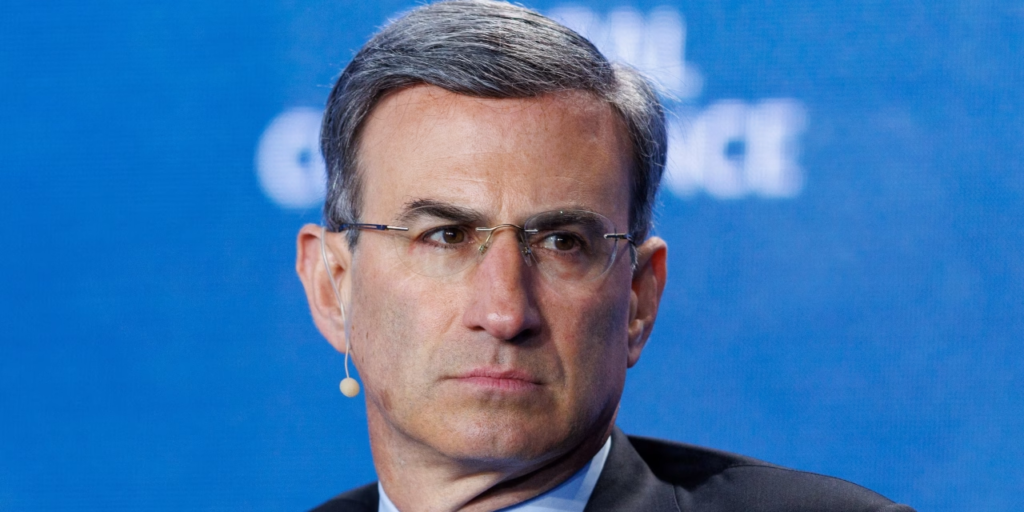
Washington is a city that judges people fast. Peter Orszag’s government service placed him in front of national audiences repeatedly. Peter Orszag televised interviews on networks like CNN, MSNBC, and PBS put his image on screens across America. In those moments, viewers weren’t just listening. They were watching. Peter Orszag public forums and think-tank panels added even more exposure. His Peter Orszag analytical persona — calm, precise, and measured — became recognizable. And that recognition extended to how he looked, not just what he said.
The American public has always been curious about the people who control policy and money. Peter Orszag’s intellectual authority carried weight in those spaces but visual cues authority leaders project matter enormously in building that authority before a single word leaves their mouth.
Peter Orszag’s Hair: What Does It Actually Look Like?
Let’s get specific. Peter Orszag hairstyle is best described as short, controlled, and classically masculine. There’s no product-heavy sculpting. No trendy fade. No dramatic side part that screams effort. It’s the kind of neat short hair professional men in serious fields tend to favor — clean lines, low maintenance, and quietly authoritative. It works because it doesn’t try to do too much.
His Peter Orszag hair color has shifted naturally with age — from darker brown tones in his earlier career to a more salt-and-pepper appearance in recent years. That transition has been gradual and unforced, which itself signals something. He hasn’t chased youth. He’s let time do its thing while keeping everything tidy and intentional.
A Closer Look at the Texture, Cut, and Style
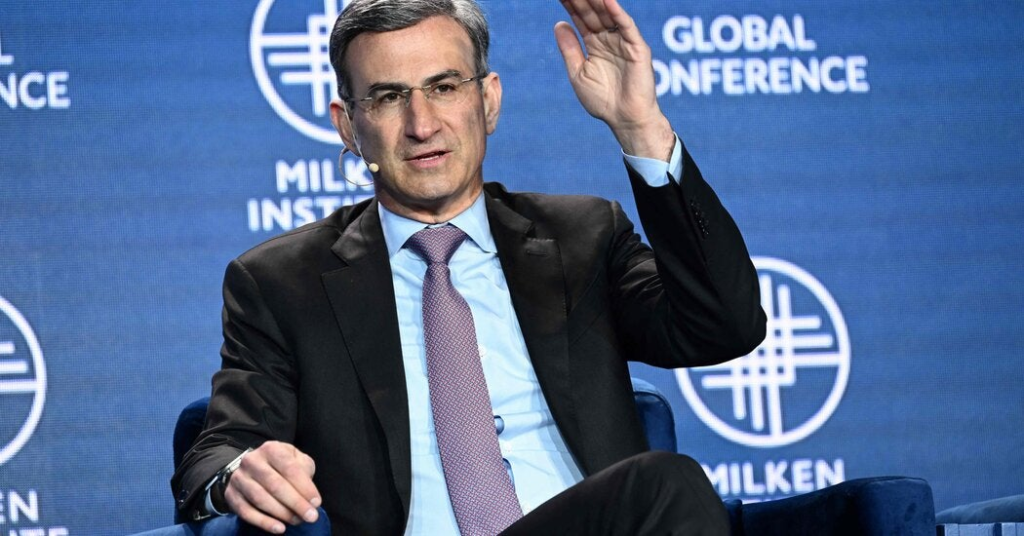
Peter Orszag’s neat hair follows a simple formula. Short on the sides, slightly longer on top, combed or brushed neatly without excess product. It’s the textbook definition of a classic hairstyle male executives tend to favor when they want to project stability over personality. The texture appears fine to medium, and the overall shape stays consistent whether he’s in a television studio or a conference room. That reliability is the point. Peter Orszag conservative style signals institutional alignment — it tells the room he’s here to work, not impress.
Think of it this way. When a surgeon walks in wearing scrubs, you don’t question their competence. The uniform does part of the job. Peter Orszag’s short hair works the same way in policy and finance circles. It’s a hairstyle discipline and order signal that primes every audience to take what comes next more seriously.
How His Hair Compares to Other Washington Figures
| Figure | Hairstyle Type | Industry | Image Signal |
|---|---|---|---|
| Peter Orszag | Short, classic, low-key | Finance / Policy | Calm authority |
| Ben Bernanke | Salt-and-pepper, neat | Federal Reserve | Intellectual gravitas |
| Larry Summers | Minimal, unstructured | Economics | Pure substance focus |
| Tim Geithner | Conservative, trimmed | Treasury / Finance | Institutional reliability |
| Alan Greenspan | Classic, age-appropriate | Federal Reserve | Long-term trust |
The pattern is clear. Professional hairstyle leaders in economics and policy consistently choose restraint. Peter Orszag’s look fits perfectly into this tradition — and that’s exactly why it works.
Is Peter Orszag Bald, Thinning, or Just Styled That Way?
This is the question that keeps popping up online. Is Peter Orszag bald? Is he experiencing Peter Orszag hair loss? Or is his hairline simply the result of natural aging combined with a no-fuss styling approach? The honest answer is nuanced — and more interesting than a simple yes or no.
Photos across different periods of his career show a Peter Orszag thinning hair pattern consistent with typical male hair evolution in the 40s and 50s. His Peter Orszag hairline has receded slightly at the temples over the years. But he is not bald — not even close. What people often interpret as thinning is partly the result of his understated styling. He doesn’t use volume-building products or styling tricks to create the illusion of density. That honesty, ironically, makes the hair look thinner than it might otherwise appear.
What the Evidence Actually Shows
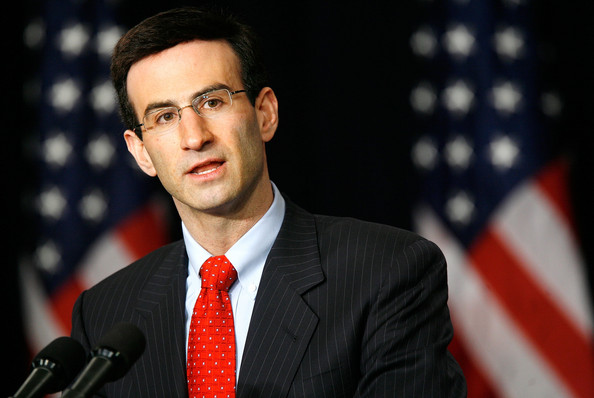
Look at side-by-side comparisons of Peter Orszag’s media appearance from his OMB years around 2009–2010 versus more recent photographs. The hairline has shifted modestly. The crown remains covered. The overall silhouette is consistent. This isn’t dramatic hair loss — it’s normal, age-appropriate change that he hasn’t tried to hide or dramatize. That choice itself reflects a calm credible appearance philosophy. Leaders who accept natural aging tend to project more authenticity than those who fight it aggressively.
The grooming self control signal here is subtle but powerful. By not over-correcting — no plugs, no comb-overs, no suspicious sudden density — he actually gains credibility. Audiences sense when something looks manufactured. Peter Orszag’s image avoids that trap entirely.
Has Peter Orszag Ever Addressed His Hair Publicly?
Interestingly, Peter Orszag has never made his hair a topic of public discussion — at least not on record. That silence is telling. The New York Observer famously nicknamed him the “Toupee Titan of New York,” a tongue-in-cheek label that circulated in media circles for a period. The LA Times also weighed in on his distinctive look during his Washington peak years. Despite the commentary, he never engaged with it publicly.
That restraint is a masterclass in personal branding leadership appearance. When you don’t react to noise, you signal that you’re focused on substance. Peter Orszag’s public persona has always prioritized ideas over aesthetics — and by refusing to address the hair chatter, he reinforced exactly that message.
Why Does Peter Orszag’s Hair Get So Much Attention?
Here’s the uncomfortable truth. Americans are fascinated by the appearance of powerful people. It doesn’t matter if that person is a president, a central banker, or a budget director. The moment someone steps into national visibility, their physical presentation becomes public property. Peter Orszag hair became a talking point not because it’s extreme — but precisely because it isn’t. It’s unusual in its ordinariness. In a city full of carefully managed images, his quietly consistent look stood out by not standing out.
The media played a significant role in amplifying this curiosity. Once the Observer coined its colorful nickname and the LA Times chimed in, search interest spiked. That’s how recognizable persona media exposure works — one clever phrase from a prominent outlet becomes the lens through which thousands of readers view a public figure.
The Media’s Role in Amplifying Appearance
Peter Orszag’s boardroom presence and Peter Orszag televised interviews kept him in the public eye for years. Journalists covering economics and policy naturally observed his consistent look across those appearances. The contrast between his intellectually dense commentary and his almost deliberately plain hairstyle created a kind of cognitive intrigue. Here’s a man talking about trillion-dollar budgets — and he looks like he cut his hair with a ruler. That gap between the gravity of the subject and the simplicity of the appearance is genuinely interesting.
Visual consistency public figures maintain carries enormous psychological weight. When audiences see the same face, same posture, and same hair across years of coverage, they build an almost unconscious trust. Audience perception visual cues research confirms this — familiarity in appearance correlates strongly with perceived reliability in communication.
Public Curiosity and the Internet’s Obsession
Google search data consistently shows that Americans search for physical details about political and financial figures far more than most people admit. Queries like “is Peter Orszag bald” and “Peter Orszag hair loss” appear regularly in search results alongside his policy work and career moves. This isn’t shallow — it reflects a natural human instinct to build a complete mental picture of influential people.
Peter Orszag’s visual identity became searchable partly because his career arc was so dramatic and partly because his look was so stubbornly consistent through all of it. In an era of personal reinvention and image management, someone who simply looks the same year after year becomes oddly fascinating. Fleeting trends vs stable image — Orszag clearly chose the latter, and the internet noticed.
Peter Orszag’s Hair Across Different Career Phases
Careers evolve. Environments shift. But Peter Orszag’s hair remained a remarkably stable constant across dramatically different professional contexts. That’s worth examining carefully because it reveals a deliberate approach to long term professional image asset building that most professionals never consciously think about.
From the halls of Congress to the towers of Midtown Manhattan, his presentation adapted in subtle ways — sharper suits, more polished settings — but the hair stayed the course. That decision, whether conscious or instinctive, reinforced a coherent identity across decades. He didn’t become a different version of himself when he crossed from public service to private finance. His Peter Orszag personal branding remained intact.
The Obama White House Years
During his time as Peter Orszag OMB director from 2009 to 2010, he was one of the most photographed economists in America. The federal budget was under intense scrutiny following the 2008 financial crisis and the stimulus debate. Every press conference, every congressional hearing, every background briefing placed Peter Orszag’s media appearance front and center. His hair during this period was darker, closely cropped, and impeccably neat — a perfect match for the gravity of the moment.
Peter Orszag’s economic policy work required him to project confidence without arrogance. His appearance supported that balance. A more experimental hairstyle would have introduced visual noise into settings that demanded focused attention. Instead, his minimalist hairstyle authority signal kept audiences focused on the numbers, not the narrator.
Post-Government: Citigroup, Lazard, and Beyond
Moving from government to Wall Street brought new expectations. Peter Orszag’s finance career at Citigroup and then as Peter Orszag Lazard CEO placed him in environments where professional image economics finance standards are extremely high — but also subtly different from Washington. Wall Street favors polish. Government favors approachability. Somehow, his look threaded both needles effectively.
Recent photographs show his Peter Orszag hair color has shifted to a distinguished gray, his hairline slightly more receded than his White House days, but his overall Peter Orszag style remains consistent. Neat. Controlled. Professional. The modern classic grooming balance he strikes today looks as natural as it did fifteen years ago.
The Psychology Behind Professional Grooming in Leadership
This isn’t just about vanity. Real research backs up what Peter Orszag’s appearance intuitively demonstrates. Studies in social psychology consistently show that grooming choices influence perceived competence, trustworthiness, and leadership potential — often before a person speaks a single word. First impressions credibility study results from Princeton University found that people form judgments about competence and trustworthiness in under 100 milliseconds based on facial appearance alone. Add hair to that equation and the effect compounds.
Grooming perceived competence research published in the Journal of Experimental Social Psychology found that subjects rated individuals with neat, well-maintained hair as significantly more competent and trustworthy than those with disheveled or unconventional styles — even when all other variables were controlled. For someone in Peter Orszag’s executive leadership position, this research isn’t abstract. It’s daily reality.
What Your Hair Says Before You Speak
Hair credibility first impressions operate on a largely subconscious level. When you walk into a room, every person there makes a split-second assessment. Your hair contributes to that assessment whether you want it to or not. Peter Orszag’s discipline in maintaining a consistent, controlled look means that every room he enters gets an immediate nonverbal signal — this person is organized, intentional, and serious. That signal is worth more than most people realize.
Grooming and perceived competence aren’t just linked in research settings. Ask any political consultant, corporate image advisor, or media trainer and they’ll tell you the same thing. Verbal authority visual support is a real concept — your appearance either reinforces your words or undermines them. For Peter Orszag’s calm communication style, his understated hair perfectly reinforces the composed, data-driven persona he projects.
Why Leaders Rarely Make Dramatic Style Changes
Drastic style change leadership risk is a well-documented phenomenon in political communication. When a public figure dramatically alters their appearance — new haircut, different color, radical style shift — audiences notice. And they question it. Why the change? What does it signal? Is something different? That moment of questioning, however brief, interrupts the trust architecture that takes years to build.
Peter Orszag’s strategic leadership career demonstrates the opposite principle in action. By keeping his look stable across decades, he avoided those moments of audience distraction entirely. Consistent appearance trust building is a long game — and he’s been playing it masterfully. The result is a recognizable persona media exposure that audiences across America associate with sober, reliable expertise.
Peter Orszag’s Signature Look: Key Elements
Breaking down Peter Orszag’s look into its core components reveals a carefully considered — if perhaps instinctively arrived at — approach to professional presentation. Nothing about it is accidental. Everything serves a purpose. His Peter Orszag image is the sum of very deliberate parts that reinforce each other consistently.
Understanding these elements is useful for anyone in a high-visibility professional role. The principles behind his presentation apply equally to a policy director in Washington, a managing partner at a law firm, or a senior executive at a Fortune 500 company.
Breaking Down the Components
| Element | Description | Professional Signal |
|---|---|---|
| Hair length | Short to medium, never extreme | Control and discipline |
| Styling approach | Minimal product, natural lay | Substance over style |
| Hair color | Natural, age-appropriate | Authenticity |
| Consistency | Virtually unchanged across years | Reliability and trust |
| Industry alignment | Matches policy and finance norms | Institutional awareness |
| Overall impression | Calm, composed, credible | Leadership grooming standards |
Each element reinforces the others. Peter Orszag’s visual identity works as a complete system, not a collection of isolated choices. Hair as leadership branding tool functions most powerfully when every component tells the same story — and his does exactly that.
Classic Over Trendy — Why It Works
Trends come and go. Classic hairstyle longevity is real. A clean, conservative cut that looked professional in 2005 still looks professional in 2025. That’s not true of trend-driven styles — the undercut that looked sharp in 2015 now dates someone immediately. Peter Orszag’s conservative style avoided that trap entirely. He chose timeless over fashionable and it paid dividends across two decades of public visibility.
Understated hairstyle authority is a paradox that works. The less effort a powerful person’s hair appears to take, the more it signals that their attention is directed at things that actually matter. Peter Orszag’s recognizable look benefits from this paradox every time he appears on television or steps into a conference room. The hair says: I’m not here to be noticed. I’m here to be heard.
What Professionals Can Learn From His Grooming Philosophy
Peter Orszag’s grooming philosophy offers a practical blueprint — not for copying his specific style, but for understanding the principles behind it. Those principles translate across industries, genders, and career stages. The core idea is simple. Approachability vs authority grooming is a balance most professionals never consciously address. His career shows what happens when you get that balance right.
Industry aligned appearance means your presentation matches the expectations of your field. A creative director at a design agency has different grooming norms than a managing director at a hedge fund. The mistake most people make is either ignoring those norms entirely or following them so rigidly they look like a caricature. Peter Orszag’s image threads that needle perfectly — professional enough for the most formal settings, human enough to remain relatable.
Adapt the Principle, Not the Person
You don’t need Peter Orszag’s short hair or his specific cut to benefit from his approach. What you need is the underlying commitment to professional norms policy finance or whatever field you operate in. Choose a style that fits your industry, your face, and your role — then maintain it with care and consistency. Institutional grooming norms exist for a reason. They create visual shorthand that audiences decode instantly.
Personal aesthetics workplace norms sometimes clash — and that’s okay. But when you’re operating in high-stakes, high-visibility environments, the cost of prioritizing personal expression over professional expectation can be real. Peter Orszag’s authority was never undermined by a hair choice. That’s a quiet achievement that compounds over an entire career.
Aligning Your Appearance With Your Career Goals
Think of your appearance as a long-term investment. Stable appearance public trust doesn’t happen overnight. It builds through repeated exposure — every interview, every panel, every photograph where you look essentially the same reinforces a coherent identity. Peter Orszag’s credibility was built word by word, idea by idea — but his consistent presentation accelerated that process by removing friction from every audience encounter.
Here are practical principles any professional can apply:
- Choose a hairstyle that aligns with your industry’s visual culture
- Maintain it consistently rather than experimenting frequently
- Let natural aging happen gracefully — don’t fight it artificially
- Prioritize neatness over novelty in high-stakes environments
- Think of your look as a long-term asset, not a daily fashion decision
Grooming choices leadership psychology research supports every one of these principles. The professionals who execute them best tend to build reputations that outlast any individual achievement.
Cultural Expectations and Modern Leadership Image
America has always had a complicated relationship with how its leaders look. Visual identity political figures in the United States carries enormous cultural weight. From JFK’s youthful energy to Obama’s crisp precision, the way American leaders present themselves visually both reflects and shapes public expectations. Peter Orszag’s appearance sits squarely within a long tradition of policy and finance figures who use understated, controlled presentation to project competence and stability.
Conservative grooming politics in Washington isn’t just tradition — it’s strategy. The city rewards visual predictability. Leaders who look the same year after year signal stability to constituencies, colleagues, and media alike. Peter Orszag’s personal branding leveraged this cultural expectation masterfully across multiple decades and dramatically different roles.
How American Culture Judges Its Leaders by Appearance
Institutional norms economics and policy demand a specific visual register. Too casual and you lose authority. Too polished and you seem disconnected. The sweet spot is what Peter Orszag’s image occupies — professional without being theatrical, composed without being cold. American audiences have been conditioned by decades of media exposure to associate certain visual cues with competence. Neat short hair professional men in power fits that conditioning perfectly.
The double standard in American leadership appearance is worth noting. Male leaders like Orszag face far less scrutiny overall than their female counterparts — yet even among men, certain visual choices invite commentary. His Peter Orszag hairline discussion proves that no aspect of a public figure’s appearance is truly off-limits in American media culture.
Classic Norms vs. The Modern Workplace
The post-pandemic workplace shifted a lot of grooming expectations. Remote work, casual Fridays, and generational change all pushed professional norms toward more relaxed standards. Yet figures like Peter Orszag remained anchored to classic presentation — and it still works. Modern classic grooming balance is the new standard for senior leaders who want to feel current without abandoning the visual authority that classic styles carry.
Understated style influential figures like Orszag demonstrate that you don’t need to chase trends to stay relevant. In fact, the opposite is often true. Personal branding leadership appearance built on timeless principles ages better than anything trend-dependent. As workplaces continue to evolve, the leaders who maintain visual consistency public figures expect will continue to carry disproportionate authority — regardless of what the latest style guides say.
Conclusion
Peter Orszag hair is a small detail that tells a large story. From his years as Peter Orszag OMB director shaping America’s federal budget to his role as Peter Orszag Lazard CEO advising global corporations, his appearance remained a steady, quietly powerful part of his professional identity. He didn’t chase trends. He didn’t overcorrect. He simply maintained a consistent, controlled, and credible look across decades — and that consistency compounded into something genuinely valuable.
The real lesson here isn’t about hair. It’s about intentionality. Peter Orszag’s grooming philosophy — whether arrived at consciously or instinctively — reflects a deep understanding of how visual cues authority leaders project shape audience perception before a single word is spoken. In a city as image-conscious as Washington, and an industry as appearance-aware as global finance, that understanding is a genuine competitive advantage.
If there’s one takeaway you should carry from this, it’s this — your appearance is always communicating. Make sure it’s saying what you want it to say.
FAQ’s
Does Peter Wright have real hair?
Peter Wright wears colorful wigs; his natural hair is very short.
How much does Peter Orszag make?
Peter Orszag has earned millions annually in private-sector roles (exact salary varies by position).
Who was Peter Orszag’s first wife?
His first wife was Bianna Golodryga.
Who is Peter Orszag?
Peter Orszag is a U.S. economist and former government official (ex-OMB Director).
How much does Peter Orszag make?
Peter Orszag earns roughly $10–30 million per year, depending on bonuses and stock compensation.