
There are certain personalities in reality television that you simply cannot look away from. Not because they scream the loudest or stir drama for the cameras, but because there is something unmistakably real about them. Sharon Gaffka, the Sharon Love Island audiences have been obsessing over, is exactly that kind of person. In a genre that often reward’s performance over personality, she stood out by doing the opposite and it changed everything.
Who Is Sharon Gaffka? The Woman Behind the Sharon Love Island Phenomenon
Before stepping foot in the Love Island villa, Sharon Gaffka was already living a life that most people would find impossible to categorize. Born and raised in Oxfordshire, England, she completed a degree-level education, worked as a civil servant in the UK government, and had made a name for herself in the Miss Universe Great Britain pageant world, all before reality television ever entered the picture.
That background matters more than people realize. Sharon was not a woman walking into Love Island desperate for fame or searching for something to hold onto. She came in with a fully formed identity, clear values, and the kind of quiet confidence that only comes from knowing who you are. When the other contestants where still figuring out the house dynamics, Sharon had already decided exactly how she would carry herself, and she never deviated from that.
Her mixed heritage, with an Asian mother and a British upbringing, added yet another dimension to who she is. In spaces where diversity in reality TV has long been a documented point of criticism, Sharon’s presence felt significant even before she opened her mouth.
Sharon on Love Island Season 7: A “Marmite” Personality That Divided and Defined

Sharon entered Love Island Season 7 in 2021 and almost immediately became what she herself described as a “marmite” character: viewers either loved her or found her difficult to place. That polarization was never random. It was a direct result of the fact that she refused to conform to the show’s most familiar templates.
She didn’t perform exaggerated jealousy or manufacture connection for the sake of screen time. She spoke plainly, set clear boundaries, and called out behavior she found disrespectful even when doing so put her at social risk inside the villa. The friendship group she built there, affectionately known among fans as FLASK, became one of the season’s most talked-about bonds precisely because it felt earned rather than engineered.
She left the villa without finding love, which might have felt like a failure in a show literally built around coupling up. But Sharon herself never framed it that way. In her own words, the experience “reaffirmed” her commitment to staying true to herself over settling for someone who didn’t genuinely fit. That kind of self-awareness does not come from a script.
For American audiences discovering the Sharon Love Island story, this context changes everything. She wasn’t a woman defeated by the process. She was someone who went through it completely intact.
The Viral Moments That Launched Sharon Into the American Conversation
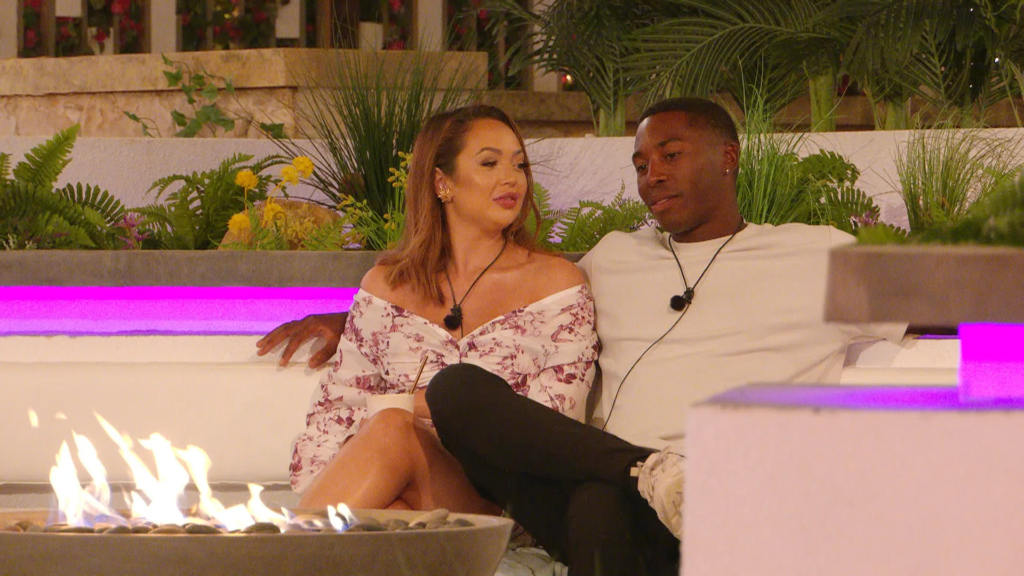
Reality TV has always traveled across the Atlantic, but the specific clips and conversations around Sharon Love Island took on a life of their own in the United States largely because of how relatable her emotional vocabulary felt to audiences here. Americans watching her navigate complicated villa dynamics saw something refreshingly familiar: a woman who communicated directly, acknowledged her vulnerabilities without collapsing under them, and held her ground without being cruel.
The moment audiences point to most frequently is not one single explosive confrontation but rather an accumulation of smaller, deeply honest exchanges. She spoke about spiking, about online abuse, about the way society conditions women to doubt their own experiences. These were not scripted talking points. They were things she lived.
When clips from her villa appearances circulated on TikTok and X alongside commentary connecting her journey to broader conversations about women’s safety and dating culture, American viewers latched onto them fast. The Sharon Love Island hashtag did not just trend in the UK. It crossed over in a way that very few non-American contestants have ever achieved.
Sharon Gaffka’s Activism Work: What American Audiences Are Just Now Learning
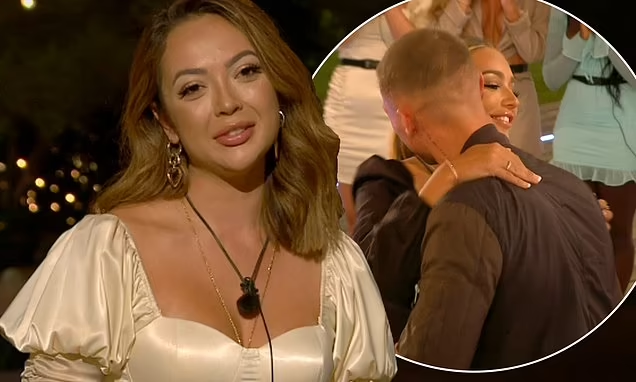
Here is where the Sharon Love Island story becomes something considerably bigger than a reality TV narrative. Since leaving the villa, Sharon has dedicated an enormous amount of her public platform to Violence Against Women and Girls (VAWG) advocacy, and the work she has done in that space is genuinely impressive.
She has written for major publications including Glamour, Metro, and Grazia on subjects ranging from needle spiking in public spaces to the Online Safety Bill and why it needed a specific VAWG Code of Practice written into its framework. She didn’t just share opinions, she campaigned alongside organisations including Refuge Charity, attended Freshers’ Fairs alongside Thames Valley Police, and used her reach to put direct pressure on government bodies.
Sharon has been vocal about her own experience of being spiked in 2020, and she has spoken with extraordinary candor about the year it took her to fully process what happened, including the self-doubt that followed and the victim-blaming messages she received. She didn’t sanitize any of it. She talked about a man telling her she was “probably asking for it” and her response was not anger, it was clarity. She used each ugly moment as a teaching tool.
For American viewers who discovered her through the show, finding out that this same woman has been doing serious on-the-ground advocacy work is the kind of revelation that shifts your entire frame. She is not leveraging a Love Island appearance for brand deals. She is leveraging it for policy change.
Girls Know Nothing: The Podcast That Proves Sharon Has Always Known Exactly What She’s Talking About

One of the most substantive things Sharon built after her sharon love island appearance is her podcast, Girls Know Nothing. The title is a deliberate inversion of every condescending phrase women have been subjected to throughout their lives: “you throw like a girl,” “you run like a girl,” “you have a girly voice.” By reclaiming that framing, she turned the title itself into an argument.
The podcast features women in leadership, women who have overcome significant adversity, and conversations that go far beyond what most post-reality TV ventures are willing to tackle. Guests have included fellow Love Island alumni, entrepreneurs, and figures from the world of social justice. The content skews toward themes of self-regulation, mental health, female ambition, and the specific kind of resilience that comes from being underestimated.
What sets it apart from the average celebrity podcast is how much Sharon actually listens. She is not performing curiosity. She is genuinely interested in the answers, and that quality, which you can hear even in audio, is the same quality that made audiences connect with her in the villa in the first place.
The podcast has gained a strong following on TikTok and YouTube, which means it has also found its way to American audiences who may had never encountered the original Love Island episodes.
Sharon’s Ambition to Become a Member of Parliament: Serious or Symbolic?
This is the part of Sharon’s story that genuinely surprised people when they first heard it, and yet once you understand who she is, it doesn’t surprise you at all. Sharon Gaffka has publically stated her intention to stand as a Labour Party candidate for Member of Parliament, and she is not treating it casually.
She has been a Labour Party member for years. She has worked through charitable and political channels to advocate for young people, women, and communities of color who she believes have been offered “mere breadcrumbs” by the political establishment for far too long. She connects the dots between her VAWG activism, her pageant career, her media work, and her political ambitions in a way that actually makes sense because those threads all run through a single consistent argument: women deserve to be taken seriously in every arena they choose to occupy.
Detractors who assumed that a Love Island appearance would make a political career impossible are discovering that Sharon is not particularly interested in their assumptions. She addressed those critics directly by pointing to her professional background and qualifications and comparing them favorably against people who had spent years dismissing her. She did it without anger, which made it more effective.
Whether or not she eventually stands for Parliament, the fact that she is building toward it with this kind of methodical intention places her in a category almost no reality TV contestant has ever occupied before.
Why Sharon Love Island Resonates So Deeply With American Audiences Right Now
There is something happening in American culture at the moment that made Sharon’s story land particularly hard. Audiences here are tired of influencers who project a curated perfection that doesn’t hold up to scrutiny. They’re tired of public figures who refuse to say anything that might cost them a follower. They want people who have actual convictions and will stand behind them even when it’s uncomfortable.
Sharon is that person. She talked openly about mental health strategies she actually uses, including journaling, identifying triggers, high-intensity exercise on difficult days, and the radical act of simply saying no to things that drain her. She didn’t wrap these things in aspirational language. She talked about them as survival tools, which is exactly how they felt to the people listening.
Her background also resonates. She is a woman of mixed heritage who grew up in a small English town, navigated professional environments that weren’t built for her, faced down online abuse that would have silenced many people, and kept going. That story does not belong exclusively to any one country. It belongs to anyone who has ever been told to make themselves smaller and refused.
What Sharon’s Story Tells Us About the Future of Reality Television
We are at a moment where reality television is being forced to reckon with the question of what it actually owes its contestants. The mental health and duty of care conversations that has grown around shows like Love Island, partly accelerated by the tragedies that followed certain seasons, have changed how audiences evaluate the format.
Sharon has been a consistent voice in that conversation. She questioned production’s reluctance to intervene in cases of misogynistic behavior the same way they would intervene in other forms of harmful conduct. She pointed out that the editing decisions which shape a contestant’s narrative carry real consequences for real people. She did not do this to burn bridges. She did it because it was true and because she was in a position to say it.
American audiences watching Love Island USA through this lens now find themselves asking the same questions. And when they go looking for someone who has already been asking them thoughtfully and publicly, they find Sharon.
That is not a coincidence. That is what happens when someone’s entire public presence is built on saying what they actually think.
Final Thoughts: Sharon Gaffka Is Just Getting Started
If you discovered the Sharon Love Island story through a viral clip or a trending hashtag, you may have arrived at the beginning of something rather than the middle. She is still building. The podcast is growing. The political ambitions are taking shape. The advocacy work continues.
What she represents, for American viewers and for audiences everywhere, is a kind of public figure that used to be far more rare: someone whose reality television appearance turned out to be the least interesting thing about them. The villa was a starting point. Every thing she has done since has been a argument for why she belonged there and why she belongs in every other room she chooses to walk into.
Keep watching. Keep listening. The Sharon Love Island conversation is far from over.